

How to Choose the Right Restaurant Table Base for Commercial Dining Spaces
1. Start with the Type of Dining Space
The first step is to understand where the table base will be used. A restaurant dining room, a café, a hotel breakfast area, and an outdoor dining space all have different furniture needs.For example, a busy restaurant may need heavy-duty table bases that can handle frequent daily use and regular cleaning. A café may prefer smaller table bases that save space and allow more flexible seating arrangements. A hotel dining area may need more refined finishes to match the overall hospitality design. Outdoor dining spaces may require materials and finishes that perform well in semi-open environments.
Before choosing a table base, buyers should ask:
Is the furniture for a restaurant, café, hotel dining area, or outdoor space?
Will the tables be used for 2-person seating, 4-person seating, or larger groups?
Does the project need standard products or custom sizes?
What style should the furniture match?
2. Match the Base with the Table Top
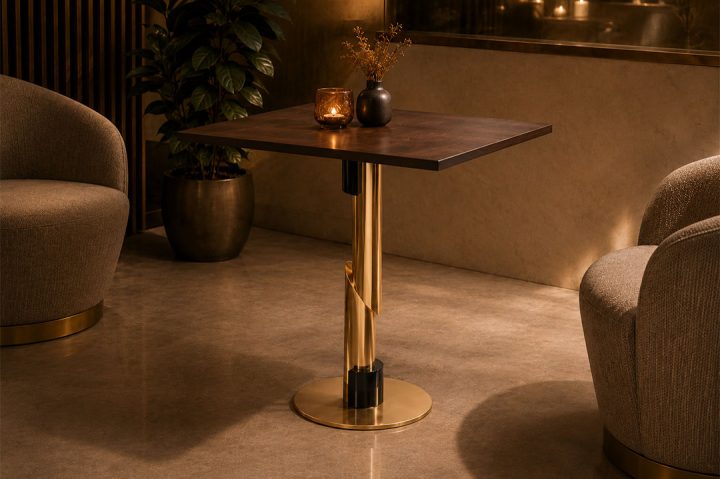
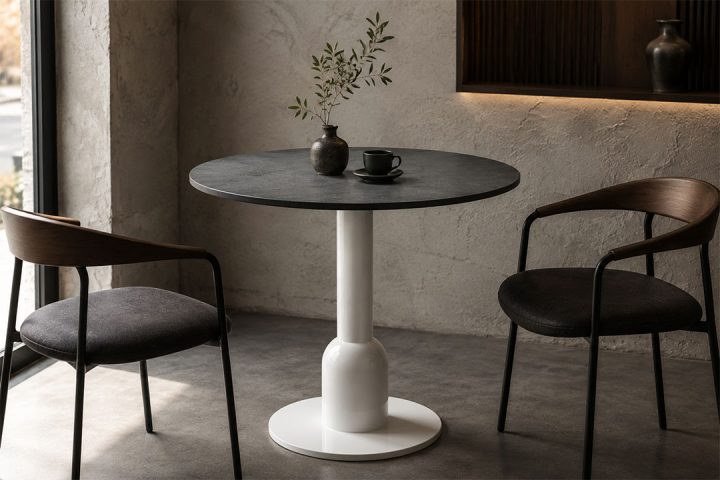
A restaurant table base should never be chosen alone. It must be matched with the table top in terms of size, shape, and weight. A heavy stone or sintered stone top needs a stable and strong base. A wooden top may offer more flexibility, but it still needs the right support structure.Buyers should pay attention to:
Table top material
Round, square, or rectangular shape
Round, square, or rectangular shape
Indoor or outdoor application
A properly matched table base and table top combination improves stability and prevents wobbling, which is especially important in commercial dining spaces.
3. Think About Stability and Layout
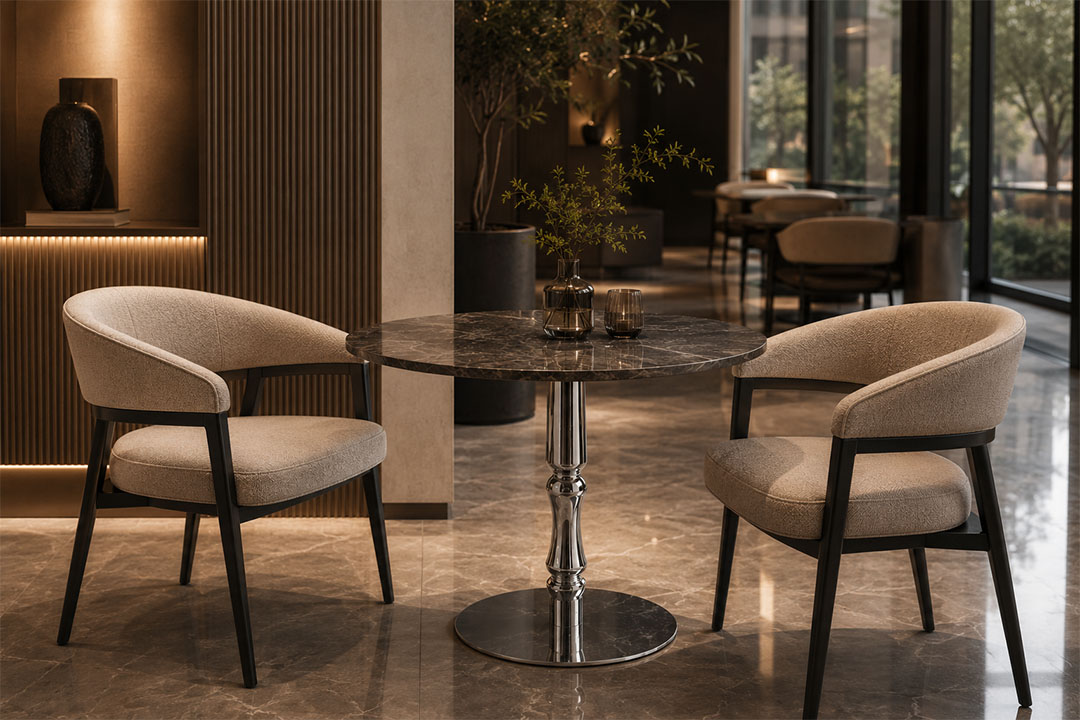
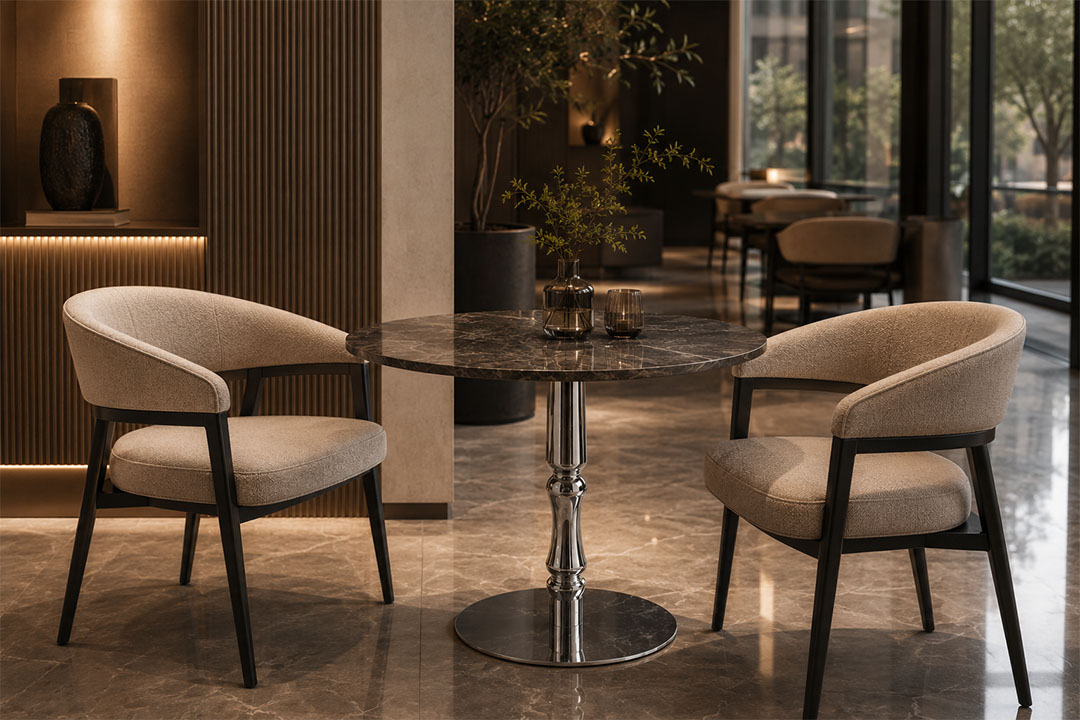
In hospitality projects, table stability is essential. Wobbly tables create a poor dining experience and reduce the overall quality of the space. Single pedestal bases are often suitable for small restaurant or café tables because they provide clean lines and better legroom.
Cross bases are a practical option for many standard dining tables. Larger tables may require reinforced structures or double-base designs.The layout of the dining area also matters. In restaurants, furniture should maximize seating efficiency without making the space feel crowded. In hotel dining areas, comfort and visual balance may be just as important as seating capacity.
4. Choose the Right Material and Finish
Restaurant table bases are commonly made from stainless steel, cast iron, aluminum, or other metal structures. Each material has different advantages. Stainless steel often suits modern hospitality interiors. Cast iron is valued for its strength and stability. Aluminum can work well in lighter furniture applications or some outdoor settings.
Finishes are equally important. Powder coating, brushed finishes, mirror finishes, and decorative metallic finishes all affect the final look of the furniture. The right finish should match the project style while also being practical for cleaning and long-term use.
5. Look at the Full Furniture Solution
In many projects, buyers are not only sourcing table bases. They may also need table tops, restaurant tables, and matching furniture. Working with a supplier that understands commercial restaurant furniture can make product matching and customization easier.
Conclusion
The right restaurant table base should fit the dining space, support the table top properly, provide stable performance, and match the overall furniture concept of the project. For restaurants, cafés, hotel dining areas, and hospitality spaces, choosing the right table base is an important step toward building a practical and attractive commercial furniture solution.