

Best Table Top Materials for Restaurants, Cafes and Hotel Dining Areas
A table top is one of the most visible and most frequently used parts of restaurant furniture. It influences the look of the dining space, the daily maintenance process, and the long-term durability of the furniture. For restaurants, cafés, hotel dining areas, and hospitality projects, choosing the right table top material is an important part of creating a successful commercial furniture solution.
1. Why Table Top Material Matters
In commercial dining spaces, table tops must handle regular use, food and beverage spills, cleaning chemicals, and constant customer contact. A good table top should not only look attractive, but also perform well over time. It should match the style of the project, work with the selected table base, and support the daily operation of the business.
When choosing a table top material, buyers should consider :
Indoor or outdoor use
Dining style and furniture concept
Cleaning and maintenance requirements
Durability for commercial use
Project budget and positioning
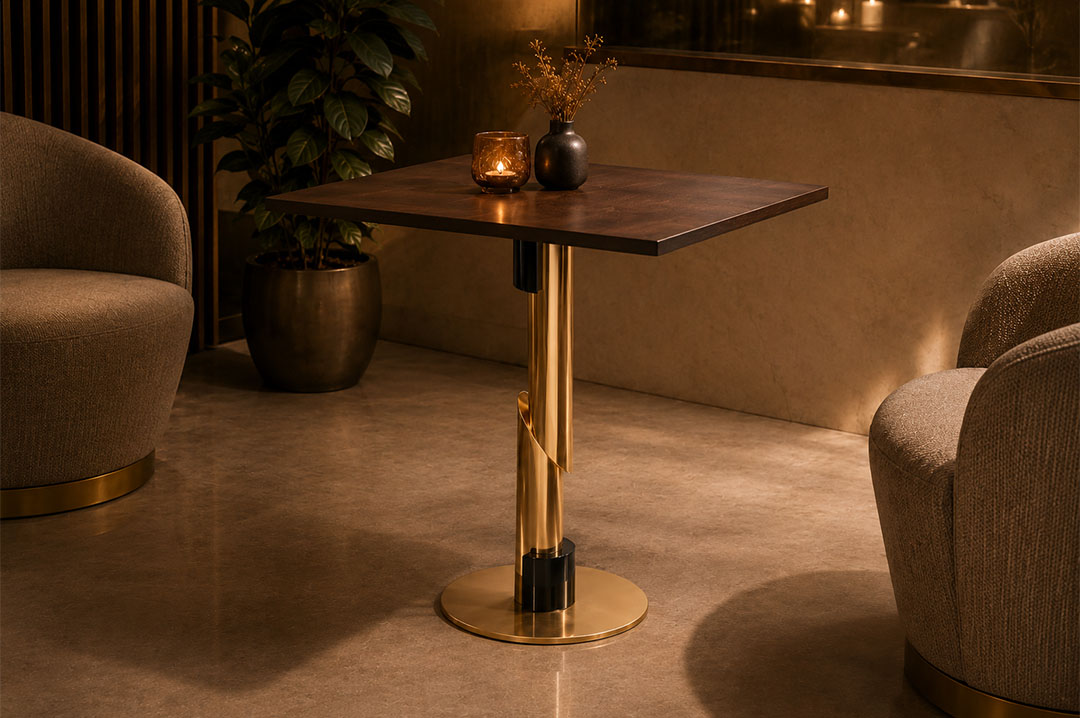
2. Wood Table Tops
Wood table tops are a popular choice for restaurants and cafés because they create a warm and natural atmosphere. They work well in modern, rustic, industrial, and hospitality interiors. Wood tops can also be customized in different colors, grains, thicknesses, and edge details.Advantages of wood table tops:
Warm and welcoming appearance
Suitable for many dining concepts
Flexible in size and finish
Easy to coordinate with metal table bases
However, wood tops for commercial use should be treated with durable finishes to improve stain resistance and long-term performance.
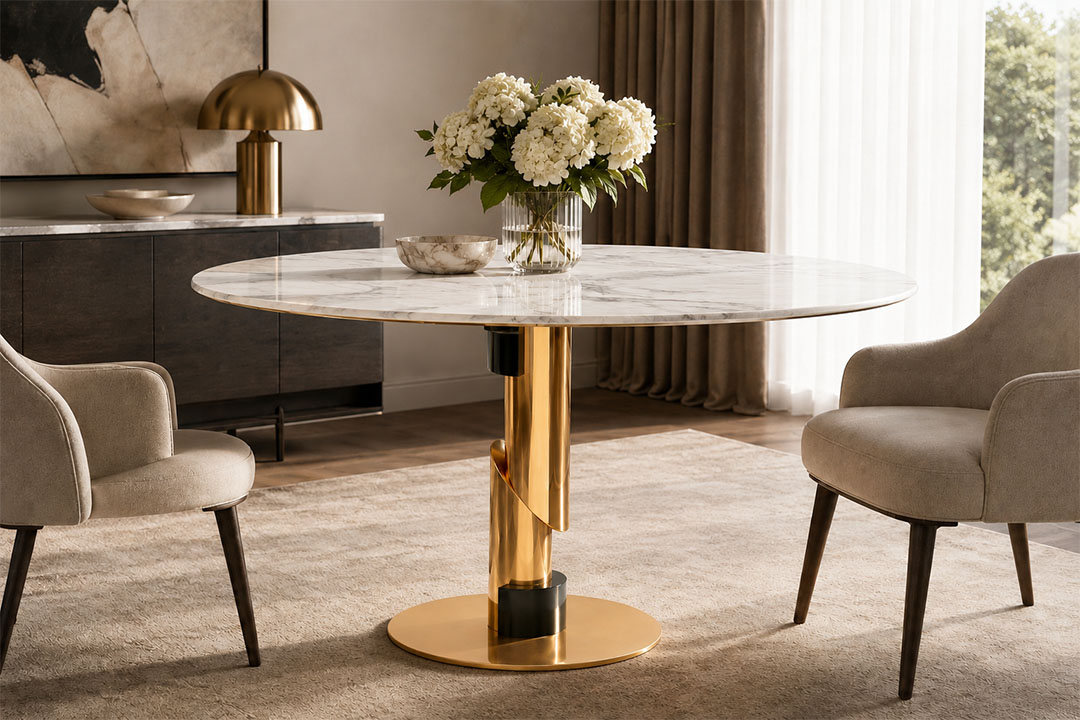
3. Stone and Sintered Stone Table Tops
Stone and sintered stone table tops are increasingly used in hotel dining areas, upscale restaurants, and modern hospitality spaces. These materials offer a clean, premium appearance and good durability. They are often chosen for projects that want a refined and contemporary dining atmosphere.Advantages of stone or sintered stone tops:
Modern and premium look
Good resistance to heat and wear
Suitable for restaurants and hotel dining spaces
Easy to pair with metal table bases
Because these tops are heavier than wood, they need stable support and well-designed table base structures.
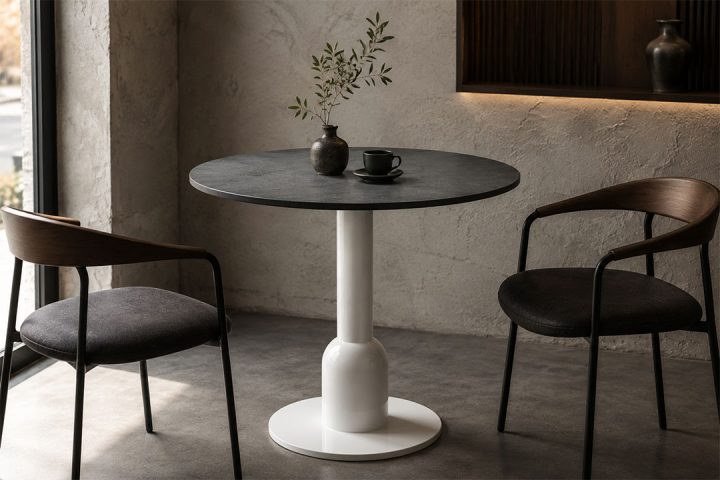
4. Laminate and Engineered Surface Options
For many commercial projects, laminate or engineered surface table tops are a practical option. They can provide a clean appearance, easy maintenance, and a variety of decorative finishes. These materials are often used in casual restaurants, cafés, and food service environments where durability and budget control are both important.Advantages include:
Easy cleaning
Consistent surface appearance
Practical for high-traffic use
Cost-effective for larger projects
5. Choose the Right Material for the Right Space
There is no single best table top material for every project. A café may prefer wood for warmth and flexibility. A hotel dining area may choose stone or sintered stone for a more upscale look. A high-volume restaurant may prioritize durability and maintenance over decorative details.
The best table top material depends on the space, the brand image, the project budget, and the way the furniture will be used. It should also be selected together with the table base, because the weight and dimensions of the top affect stability.
Conclusion
Table top material plays an important role in restaurant and hospitality furniture projects. Wood, stone, sintered stone, and engineered surfaces all have their own advantages. The right choice is the one that balances style, durability, maintenance, and compatibility with the rest of the furniture solution. For restaurants, cafés, and hotel dining spaces, choosing the right table top material helps create a better customer experience and a more practical long-term investment.