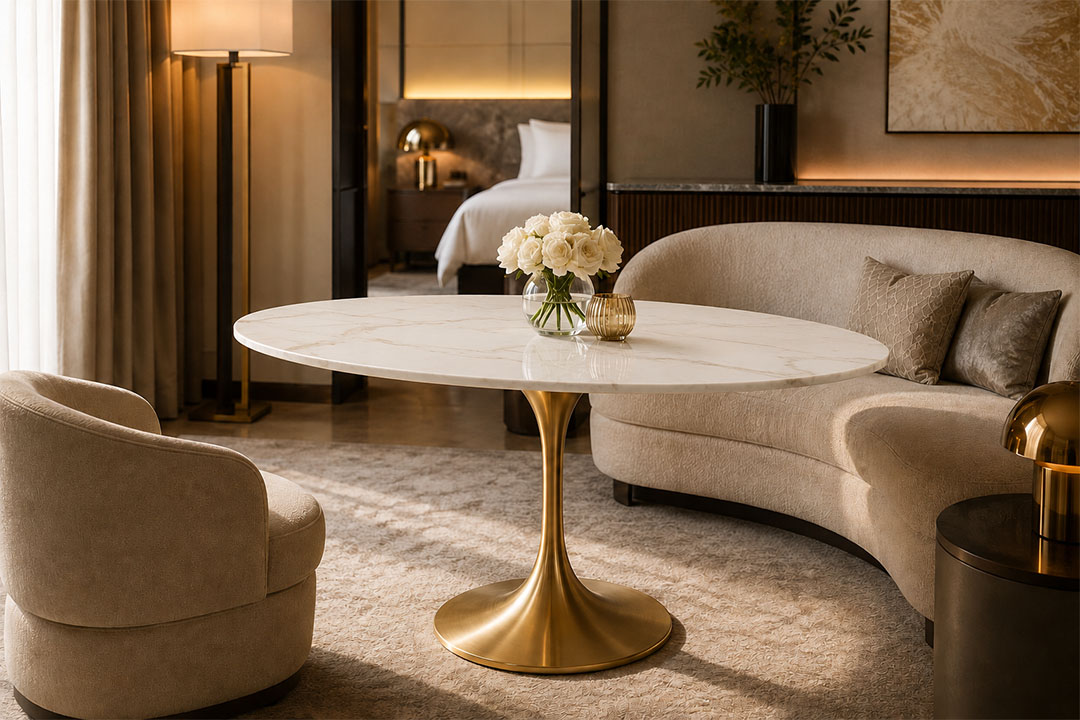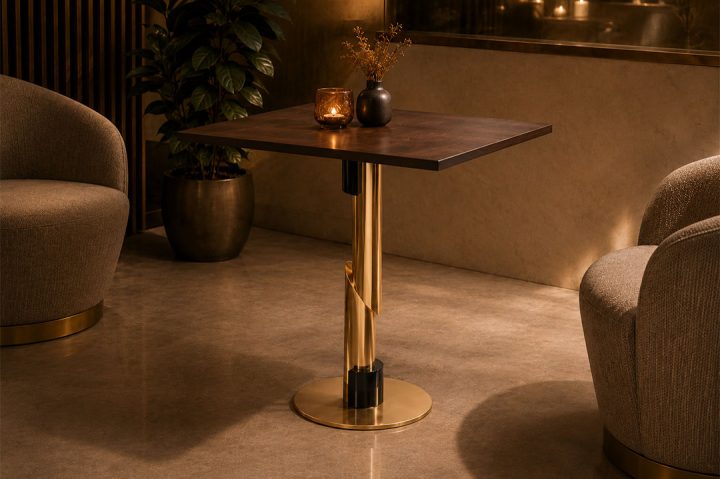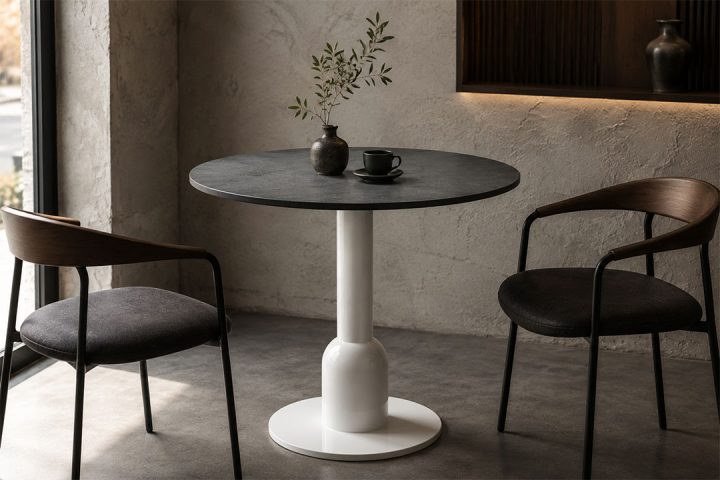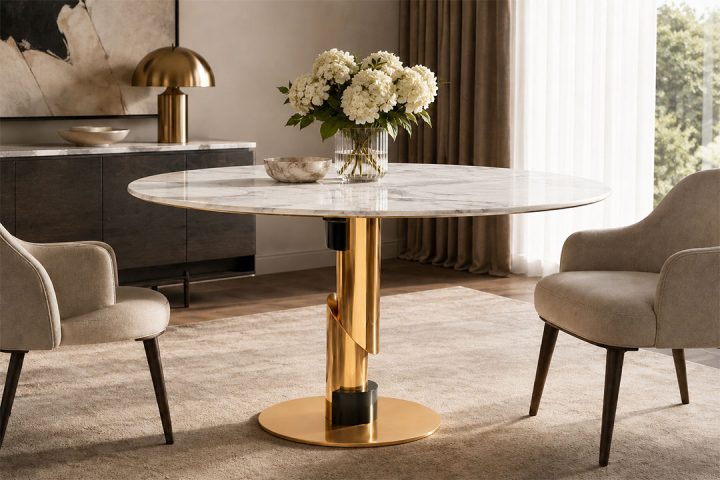


Restaurant Furniture Solutions for Hospitality and Commercial Projects
Today, restaurant furniture projects are about more than just buying tables and chairs. For restaurants, cafés, hotel dining spaces, and commercial interiors, furniture is part of the overall customer experience, brand image, and operational layout. That is why many buyers now look for restaurant furniture solutions rather than individual products.
1. What Is a Restaurant Furniture Solution?
A restaurant furniture solution is a coordinated approach to furnishing a dining space. Instead of sourcing table bases, table tops, restaurant tables, and matching furniture separately, buyers plan them together as part of one project. This creates better consistency in style, more efficient product matching, and smoother project execution.A typical furniture solution may include:
Restaurant tables
Table bases
Table tops
Matching dining furniture
Furniture for hotel dining areas
Custom dimensions, materials, and finishes
2. Why Coordination Matters
In hospitality and commercial projects, furniture needs to work as a complete system. A restaurant may want a clean and efficient dining layout. A café may prefer a more relaxed and visually warm environment. A hotel dining area may need furniture that feels more refined and matches the interior design of the broader hospitality space.Coordinated furniture solutions help buyers:
Maintain a consistent design style
Match tables, bases, and finishes more easily
Improve layout planning
Simplify sourcing and communication
Support project-specific customization
3. Different Projects Have Different Needs
Restaurant furniture solutions vary depending on the project type.
Restaurants often focus on durability, easy maintenance, and efficient seating arrangements.
Cafés may prioritize compact layouts, flexible seating, and a more relaxed furniture style.
Hotel dining spaces usually require more polished finishes and stronger coordination with the overall hospitality environment.
Commercial spaces may need furniture for food service zones, public dining areas, or mixed-use interiors.
Because the needs are different, buyers benefit from working with a supplier that understands the application of furniture in real commercial spaces.
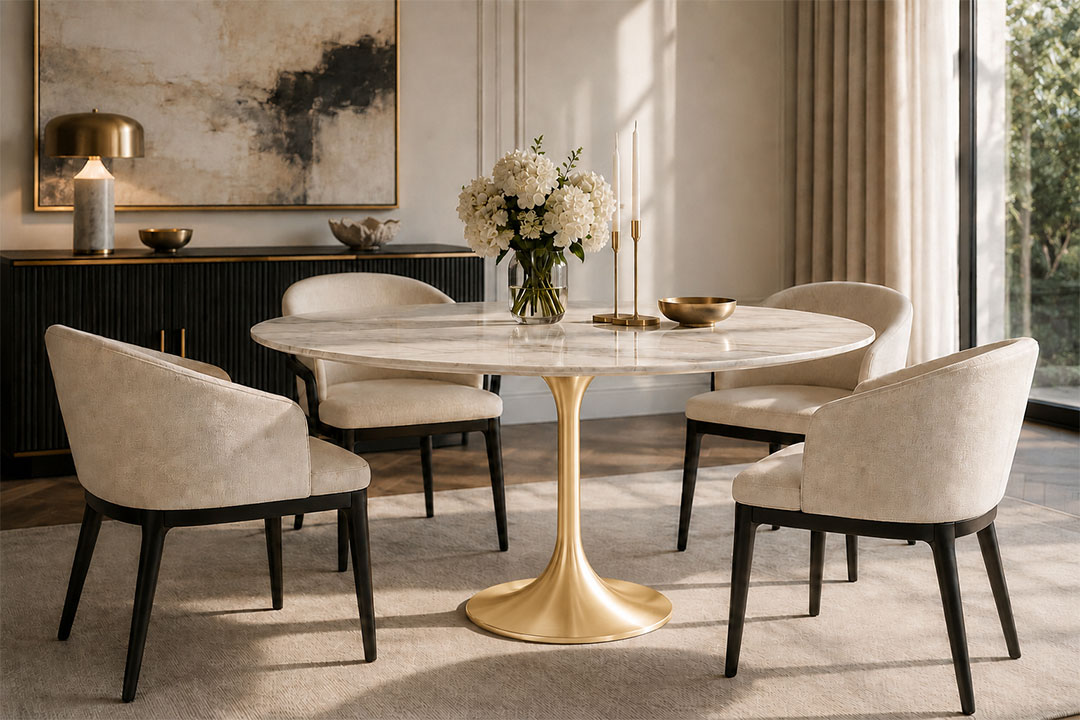
4. The Role of Customization
Customization is often a key part of a restaurant furniture solution. Standard products can work for some projects, but many hospitality spaces require furniture that fits a specific layout, brand concept, or design language. Common customization areas include:
Table size and shape
Table base structure
Table top material
Color and finish
Matching furniture style
Customization allows the furniture to fit the project rather than forcing the project to adapt to fixed product sizes.
5. Why One-Stop Supply Can Help
For project buyers, sourcing different furniture components from multiple suppliers can create problems in communication, lead times, style consistency, and quality control. A supplier that can provide restaurant tables, table bases, table tops, and matching furniture as one coordinated solution can reduce these challenges and improve project efficiency.
Conclusion
Restaurant furniture solutions are not just about products—they are about creating the right furniture combination for a real commercial environment. For restaurants, cafés, hotel dining areas, and hospitality projects, a coordinated furniture approach helps improve design consistency, operational practicality, and project efficiency. From table bases and table tops to customized restaurant tables and matching furniture, the right solution creates more value than buying individual pieces separately.